





In Chapter 2, you learned about several kinds of natural events. Some natural events are beneficial. A spring rain can help plants grow. Other natural events may cause minor problems. For example, you may not want snow because it makes it difficult to get where you want to go for a little while. Some natural events, however, become natural disasters. Natural disasters may cause big changes to the environment, and they can cause serious problems for people.
Usually after a natural disaster, people think about things they can do differently. They want to be better prepared if a natural disaster occurs again. In Presenting Events, the Explain activity in Chapter 2, you read about changes made after natural disasters so that future events would have less serious effects. In Chapter 3, you considered how the probability of different events can influence decisions about solutions to problems.
In the Engage activity in this chapter, The Right Design for the Right Place, you will begin thinking about ways that people make changes to suit their surroundings. How do people make decisions to make themselves safer if they know a natural event will happen at some time in the future? (See figure 4-2.) Would everyone make the same decisions?
Set up your technology notebook for a new activity. Remember to include the title of the activity and the date. Add this information to your table of contents.
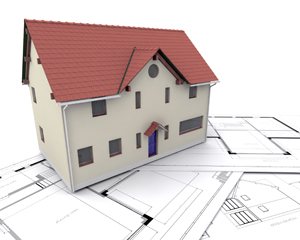
Imagine that you are designing a new house for your neighborhood. Can a house be called a technology? Explain your answer. Hint
What are some decisions you need to make about the design if you are actually going to build this house? List several ideas in your technology notebook. Hint
For each of your design decisions, list whether it is important for the look of the house or for the way the house functions.
Now imagine that the house you designed is going to be built in another area of the country. For example, the house might be built in a place where there is a high probability of heavy snow or of drought. What are some changes you might make to your design? In your technology notebook, describe the new location, and then write two or three ideas about what you would change.
Are the changes to the design for the new area important for the look of the house or for the function of the house? Explain your answer.
Look at the photographs of houses. (See figure 4-3.) In what ways do the designs of these houses make them best fit their surroundings?
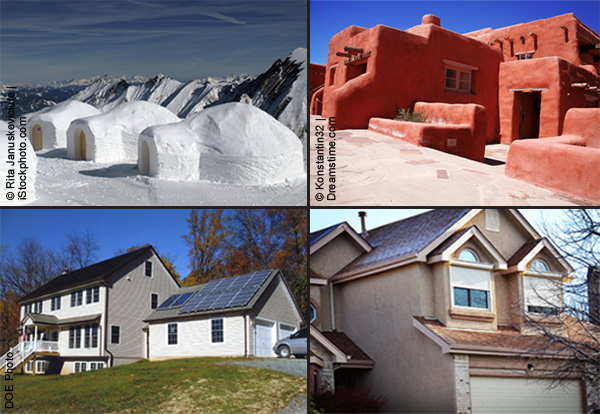 Figure 4-3: Different designs may be needed for different environments. How do these buildings’ designs reflect their location?
Activity Overview
The Engage activity, The Right Design for the Right Place, asks students to think about the decisions and choices that they would need to consider if they were to build a house in a specific location. Students also will consider their initial ideas about whether those decisions relate to the function of the house or the appearance of the house.
Before You Teach
Materials
none
As You Teach
Outcomes and Indicators of Success
By the end of this activity, students will develop an awareness about how design features may involve function or appearance.
They will demonstrate their awareness by
- describing why a house can be considered a technology
- developing a list of questions that would need to be answered before building a house
- categorizing features according to function or appearance
- describing ways that the design might need to change if the house were to be built in a location with different environmental conditions.
Strategies
Getting Started
Begin by having students read the chapter overview and the goals for the chapter. Go over the chapter organizer with them. They should read the key ideas and the linking questions. Note that the linking questions help them understand the connections between one activity and the next, but that they will not be able to answer a given linking question until they complete the activity that follows the question. Then have them read the introduction to the Engage activity before beginning the investigation.
Process and Procedure
If necessary, remind students how to set up a new page in their technology notebooks. Students should include the title of the activity and the date. They should add this information to the table of contents.
At this point, students review the definition of technology, and consider whether a house can be called a technology. They should respond that a house does help humans solve a problem. Among other things, a house can protect people from harm caused by weather.
Students will work in teams of three to think about decisions and choices they would need to make if they were building a house in a specific place, for example, their neighborhood. People would need to think about how large the house should be, which materials should be used to build it, where it should be located, and how much it will cost.
In this step, students should continue to work with their teammates to determine which of the design decisions listed in Step 3 relate to the appearance of the house or to the function of the house. At this point, they may place a higher value on design decisions related to function. Later in this chapter, they will have experiences indicating that appearance can be important as well.
Students should now consider how different locations could affect decisions about the features of the house. Teams should describe the location they chose, and then develop a list of two to three design changes they would make if the house were built in this location. If necessary, remind students of the activities in Chapter 3 about probability and how different locations have greater or lesser probabilities of different types of weather-related events. For example, if the house were built in an area where there is a high probability of a lot of snow, the builder may want to build a high-pitched roof so the snow will slide off it. If the house were built in a location where there is a high probability of drought, the builder may want to install water-saving features.
Students will consider whether the design changes for the new location are related to the appearance or the function of the house.
In this step, students look at photographs of different types of structures to consider how the features of the buildings help them function better in their specific setting. An igloo and an adobe house usually have fairly thick walls. The thick walls help keep heat inside an igloo, whereas the thick walls help keep the heat out of an adobe house. Solar panels are most useful in locations that have a lot of sunshine. Storm shutters cover the windows of houses in areas that experience severe storms because flying debris may break uncovered windows.