



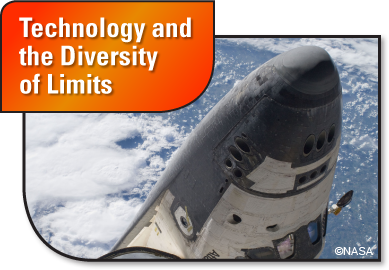

Students will discover that the way they act as consumers affects the innovation and diversity of technology. Human testing is introduced as necessary to the success of the materials, products, and technologies that help individuals overcome challenges and limits. Students will also learn how human constraints such as disabilities impact both technology development and the design of products used on a daily basis.
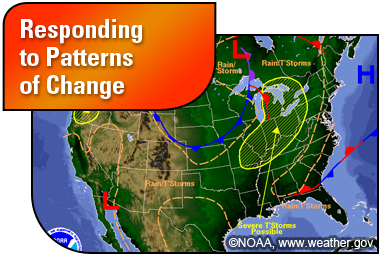
Students will learn about the importance of patterns by exploring weather and the ways it can impact local and global conditions. From scattered showers to natural disasters, technology can help identify weather patterns and determine the probability of their occurrences. Students will learn how such events influence innovation and examine the decision making-behind process behind how products that keep us safe are developed.
Students will examine how technology has evolved as a solution to environmental problems. Examples such as recycling and oil spill cleanup techniques are used to show the benefits of technological innovation, and students will see that while technology has reduced air pollution, it has at times been a cause of the phenomenon. Students will be asked to identify local environmental challenges and discuss how technology design can help solve these issues.