




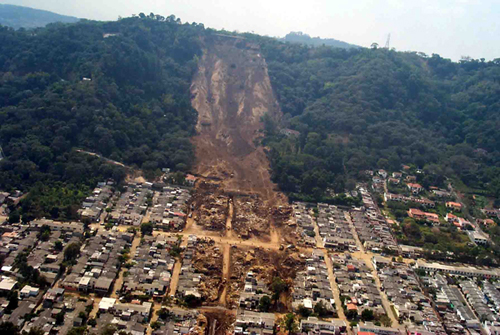
Spring rains may be needed to help grass grow or flowers bloom. The hot sunny weather in summer can be a great time to go swimming. Snow can be pretty to look at or fun to play in. But weather can cause short-term problems. People can become sunburned if they spend too much time in the summer sun. In winter, snow and ice can make the roads slick. Weather events can cause even bigger problems. (See figure 2-2.) In this Engage activity, Extraordinary Events, you will think about how different kinds of natural events affect people and their surroundings.
Set up your technology notebook for a new activity. Remember to include the title of the activity and the date. Add this information to your table of contents.
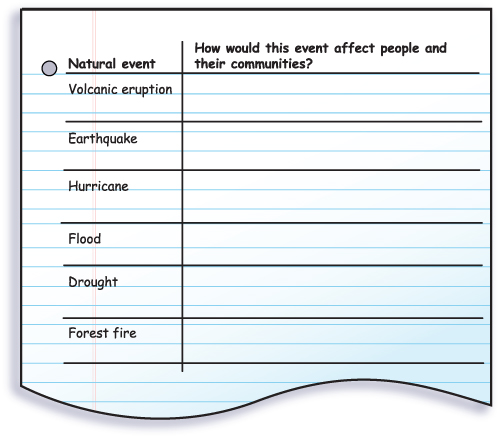
Draw a table in your technology notebook that looks like the one in figure 2-3.
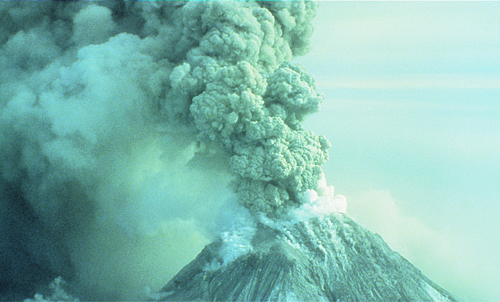
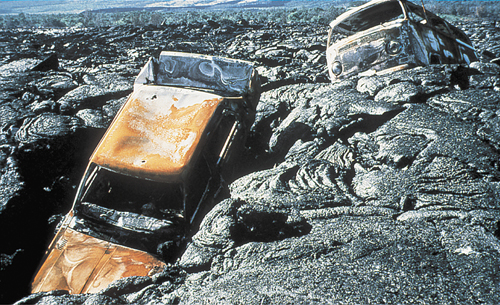
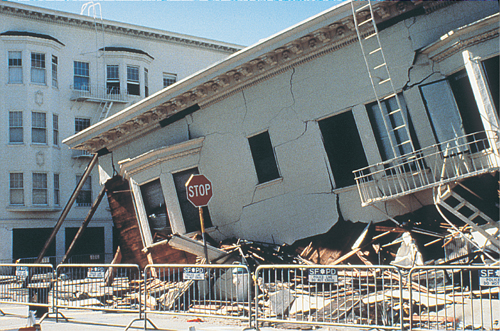
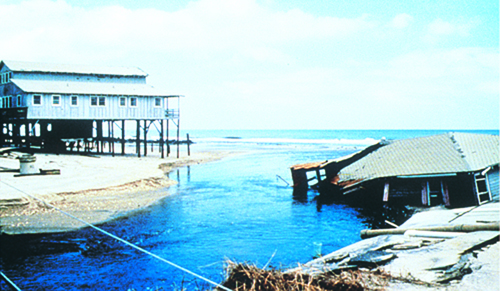
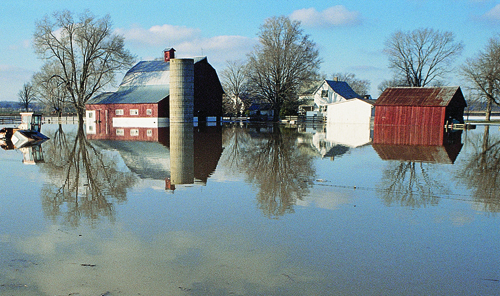
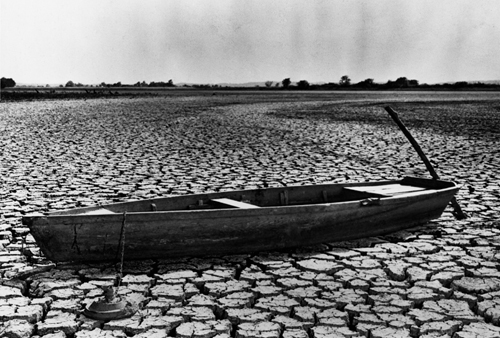
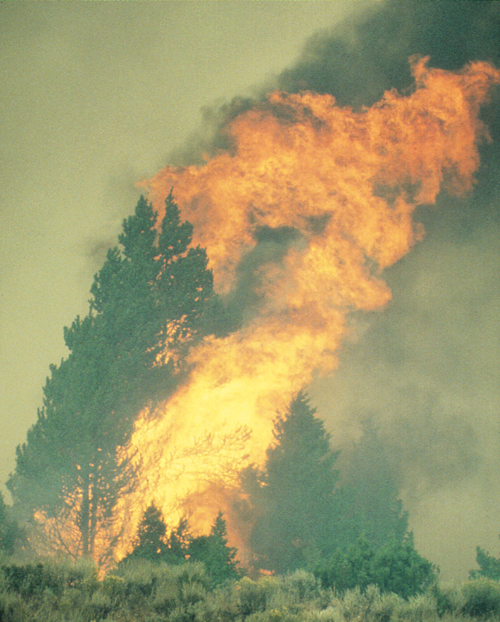
The photographs in figures 2-4 to 2-10 show examples of natural disasters. These photographs should help you think about natural events such as the events written in your table. Work with your teammates to think of ways that each event may affect people and their communities. Hint
With your teammates, think of other types of natural events that you have heard of. You may have heard of some of them when they were covered in the news. Add to your table the type of event and your ideas about how each event may affect people and communities.
Now think about how likely you are to experience these events in your area. Which two events are most likely to happen in your area? Which two are least likely to happen in your area? Explain your answers.
Activity Overview
In the Engage activity, Extraordinary Events, students will look at a series of photographs of historic events. They will then consider the impact those events may have had on people’s lives. They will also draw on their prior knowledge about the likelihood of those kinds of events, or another type of natural event, occurring in their area.
Before You Teach
Materials
none
As You Teach
Outcomes and Indicators of Success
By the end of this activity, students will develop an awareness of natural events and their impacts.
They will demonstrate their awareness by
- identifying types of natural events
- describing the impacts of the different natural events on people’s lives
- discussing their own knowledge about natural events
- sharing their ideas about the likelihood of a natural event occurring in their area.
Strategies
Getting Started
Begin by having students read the chapter overview and goals for the chapter. Go over the chapter organizer with them. They should read the key ideas of the activities and the linking questions. Then have them read the introduction to the Engage activity before beginning the investigation.
Process and Procedure
If necessary, remind students how to set up a new page in their technology notebooks. They should include the title of the activity and the date. They should also add this information to the table of contents in the front of their technology notebooks.
The table that students create in their technology notebooks is a way for them to organize their ideas when they get to the next few steps in the activity. Tell them that they should make the rows large enough so that they have room to write their ideas.
As students view and discuss the photographs, listen to their ideas. Encourage them to go beyond just the damage they can see in the photographs when they think about the impact that an event may have on people’s lives. For example, an earthquake may destroy a house, but it could also mean that the people who lived there may not have clothes to wear, they may not be able to communicate with their friends or family if their phones were left inside, or they may have lost items that cannot be replaced.
In Step 4, students should work with their teammates to add any other types of natural events that they know about to their tables. They may think of blizzards, ice storms, tsunamis, or hailstorms. Have them list the possible impacts of these events.
This is an opportunity for students to begin thinking about which types of natural events are more likely to occur in their area. At this point, they will be relying on their prior knowledge to answer this question. The main point of the question is for students to begin to realize that there is a higher chance of some types of events happening than others. This idea will recur in this chapter and will be an emphasis in Chapter 3, “What Are the Chances?,” and Chapter 4, “Making Decisions to Solve Problems,” of this module.